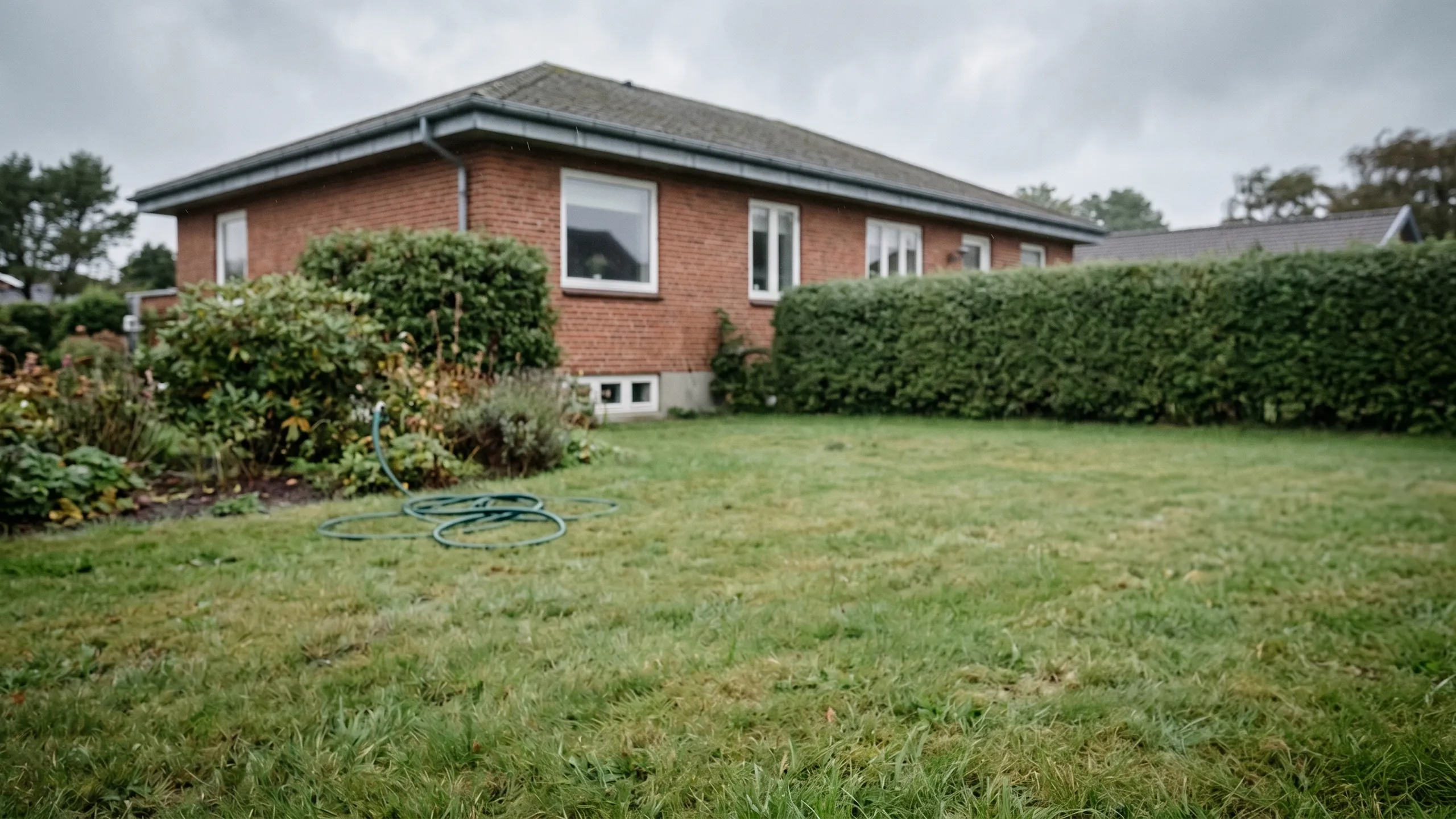

Can you buy a house with a buried oil tank?
Yes, but only with the paperwork in order. Many houses switched from oil to district heating or a heat pump long ago, and the old tank stayed in the ground. Bolius writes that leaking buried tanks are the most common cause of soil contamination on Danish single-family plots. Contamination is usually found from 1 metre down, so you cannot see it.
From our data: in a detailed review of 63 sales, in 59 cases the documents gave no clear answer about whether there is a tank on the plot and what state it is in (HUSDATA). So you have to ask the question yourself.
Detailed review of sales documents. Source: HUSDATA Nordjylland 2026.
The most expensive part of an oil tank is often not the tank but the pipe. A buried pipe from the tank to the house can leak for years. In Aarhus, illegal pipes were found at about one in four newer tanks with buried pipes (Ingeniøren). Do not just ask "where is the tank?" but also "where did the pipe run into the house, and who checked it?".
What do "sløjfet olietank" and "afblændet olietank" mean?
- Sløjfet olietank (decommissioned tank): the tank has been emptied, disconnected and closed. It can stay in the ground or be dug up.
- Afblændet olietank (blanked-off tank): the pipes have been blanked off so oil cannot be filled. This is part of decommissioning.
- Tankattest: the document with the tank's year of manufacture and data.
- Sløjfningsskema: the form the owner must send to the municipality within 4 weeks of the work (Bolius).
When must an oil tank be decommissioned?
For tanks up to 6,000 litres, deadlines are counted from the year of manufacture (Miljøstyrelsen via Bolius):
| Where the tank is | Type | Deadline |
|---|---|---|
| Buried | steel with fibreglass coating, no corrosion protection | 40 years |
| Buried | the same with corrosion protection | 50 years |
| Buried | plastic | 45 years |
| Above ground | steel without protection | 30 years |
Corrosion protection was rare in the 1970s, so tanks from that time should be treated as due for replacement or decommissioning.
Calculator: when should the oil tank have been decommissioned?
Decommissioning deadline by year of manufacture and tank type
Deadlines for tanks up to 6,000 litres (Miljøstyrelsen via Bolius). If the year is unknown, assume a professional needs to check the tank.
How much does it cost to dig up or decommission an oil tank?
According to Bolius:
- empty, clean and fill the tank with sand: DKK 3,500-6,500;
- dig up and remove a buried tank: DKK 9,000-30,000 (estimates in different Bolius articles);
- remove a tank from a basement: DKK 5,000-9,000;
- clean contaminated soil: can cost hundreds of thousands of kroner, and the owner may also be liable for contamination of the neighbour's plot.
Who pays if an oil tank has contaminated the soil?
The owner of the plot. So protect yourself before you sign:
- Ask for the tankattest and proof of decommissioning from the firm that emptied the tank.
- Check with the municipality whether the sløjfningsskema was submitted, and in BBR whether the tank is registered (BBR data can be incomplete).
- Insurance add-on: some ejerskifteforsikring policies have an add-on for soil contamination. In a 2026 offer from a large insurer, with a payout of up to DKK 500,000.
- A condition in your offer: the purchase depends on a soil sample and correct decommissioning of the tank (Bolius).
- The seller may have a sælgeransvarsforsikring (seller's liability insurance), usually for 10 years. Ask.
Important: the industry insurance only covers contamination if the tank was legal. An overdue tank may not be covered (Bolius).
Sometimes a house has been on district heating for years and the seller honestly writes "there is no tank": he bought the house without one. But the old tank may still be lying in the garden. The seller's answer means "I don't know about a tank", not "there is no tank". That is why in 59 of 63 sales the documents gave no clear answer.
How do you find an old oil tank on the plot?
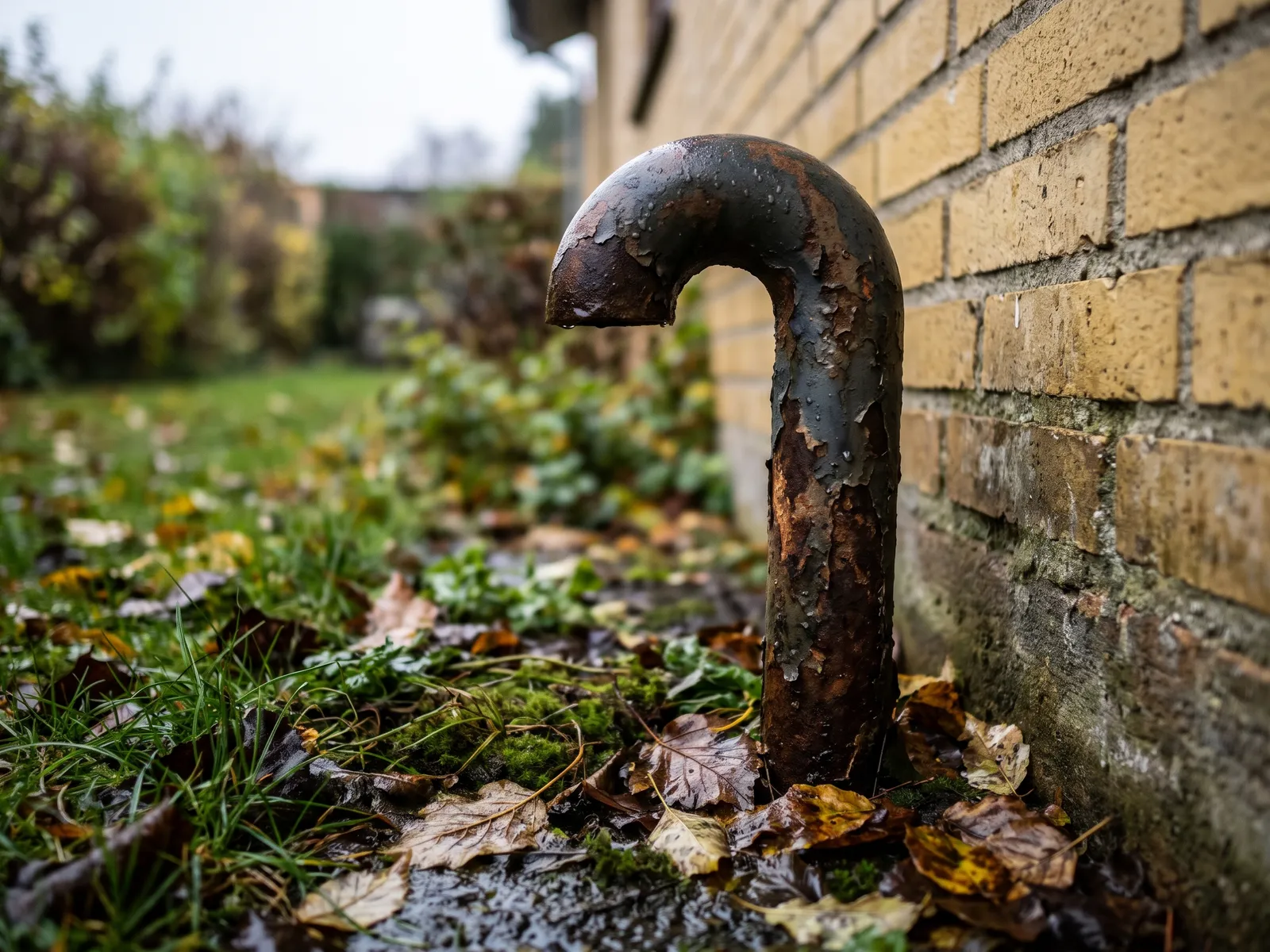
- Ask the municipality for the house's building files (byggesagspapirer).
- Check BBR: tanks have been registered since 1970, but the data can be incomplete.
- If there is an above-ground tank today, find out how old it is: there may have been a buried one before.
- An old filler cap or vent pipe on the plot often shows where the tank was.
My view
The tank in the ground is the question most buyers forget to ask, because it is not in the photos. Yet this is exactly where a small document (the tankattest and the decommissioning form) stands between you and potentially the most expensive bill in the house's life. Without that document, I would write a soil-sample condition into the offer.
Yurii Khlivnenko, founder of NordIndsigt
On your own or with us?
You can check the tank yourself: municipal files, BBR and a written question to the seller. It takes time and Danish. We have seen hundreds of sales and know where the tank hides in the documents and what the seller's "don't know" sounds like. And when you like the house, it is easy to wave it away: "it hasn't been used for years". With us you will know within 24-48 hours which papers to demand before you sign.
In short
Ask the agent where the document is that shows the tank was decommissioned correctly, and who pays if the soil is contaminated.

Is there anything about an oil tank in the documents?
BoligCheck checks the tank status in the documents and tells you what to demand from the seller.
Order BoligCheck, DKK 299Frequently asked questions
Can you buy a house with a buried oil tank?
Yes, but only with the paperwork in order. Many houses switched from oil to district heating or a heat pump long ago, and the old tank stayed in the ground. Bolius writes that leaking buried tanks are the most common cause of soil contamination on Danish single-family plots. Contamination is usually found from 1 metre down, so you cannot see it.
When must an oil tank be decommissioned?
For tanks up to 6,000 litres, deadlines are counted from the year of manufacture (Miljøstyrelsen via Bolius):
Calculator: when should the oil tank have been decommissioned?
Deadline: '+d+'. The deadline passed '+(now-d)+' years ago. Ask for proof of decommissioning and the form sent to the municipality. Without them, insurance may not cover contamination.
Who pays if an oil tank has contaminated the soil?
The owner of the plot. So protect yourself before you sign:
On your own or with us?
You can check the tank yourself: municipal files, BBR and a written question to the seller. It takes time and Danish. We have seen hundreds of sales and know where the tank hides in the documents and what the seller's "don't know" sounds like. And when you like the house, it is easy to wave it away: "it hasn't been used for years". With us you will know within 24-48 hours which papers to demand before you sign.